BR OptiStart 0–2 EX
- Fish weight
- up to 0.5 g
- Pellet size
- 0–0.6 mm
- achievable FCR*
- from 0.50
- Bag
- 20 kg

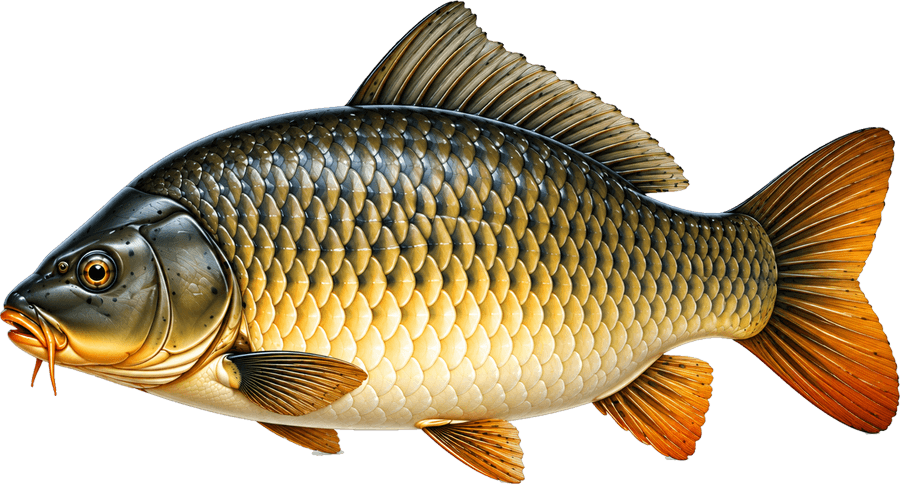
Carp · Cyprinus carpio
Rearing and grower feeds: sinking, floating or as pressed pellets for ponds with natural food. Feed requirement plan up to 2 kg.
9 feeds · pellet size 0–5 mm · Feed requirement plan up to 2 kg
This is how much feed 1,000 animals need from fry to harvest. Tap a phase for pellet size, feeding rate, FCR and days.
Worked example at 22 °C · per 1,000 animals
| Weight | Pellet size (mm) | Feeding rate (% per day) | FCR | Days | Feed |
|---|---|---|---|---|---|
| up to 0.2 g | 0.15–0.3 | 5.0 | 0.50 | –‡ | ≈ 0.1 kg |
| 0.2–0.5 g | 0.3–0.6 | 4.5 | 0.52 | ≈ 11 | ≈ 0.2 kg |
The duration of the fry stage varies greatly from farm to farm, so no figure is given.
Product sheet BR OptiStart 0–2 EX| Weight | Pellet size (mm) | Feeding rate (% per day) | FCR | Days | Feed |
|---|---|---|---|---|---|
| 0.5–2 g | 0.6–0.9 | 3.4 | 0.55 | ≈ 22 | ≈ 0.8 kg |
| 2–5 g | 0.9–1.2 | 2.8 | 0.58 | ≈ 19 | ≈ 1.7 kg |
| Weight | Pellet size (mm) | Feeding rate (% per day) | FCR | Days | Feed |
|---|---|---|---|---|---|
| 5–10 g | 1.4 | 2.3 | 0.60 | ≈ 18 | ≈ 3.0 kg |
| Weight | Pellet size (mm) | Feeding rate (% per day) | FCR | Days | Feed |
|---|---|---|---|---|---|
| 10–25 g | 2 | 3.1 | 0.74 | ≈ 22 | ≈ 11 kg |
| 25–120 g | 3 | 2.6 | 0.80 | ≈ 48 | ≈ 76 kg |
| 120–500 g | 4 | 1.8 | 0.85 | ≈ 67 | ≈ 323 kg |
| Weight | Pellet size (mm) | Feeding rate (% per day) | FCR | Days | Feed |
|---|---|---|---|---|---|
| 500–1.5 kg | 5 | 1.4 | 1.00 | ≈ 78 | ≈ 1.0 t |
| 1.5 kg–2 kg † | 5 | 1.4 | 1.00 | ≈ 21 | ≈ 500 kg |
Worked example from the catalogue, without losses, at constant temperature. In practice it takes longer and needs more feed. † extrapolated from the catalogue (assumption). FCR values under optimal conditions, according to the product sheet.
Rearing K2–K3 with KA 38/12 EX, grow-out from 500 g with KA 30/15 EX (mill data). † 1.5–2 kg: values of the 500–1,500 g class extrapolated (assumption).
All feeds for this species, sorted by life stage.
● on request (from 3 t per pellet size): we only produce feeds with this symbol once you have ordered. All symbols and abbreviations in the glossary
For every feed for this species: the ration in kg per 100 kg fish per day, by weight and water temperature, as in the catalogue. Temperature optimum according to the catalogue
The tables are grouped by feed phase. Tap a phase to open it.
Columns for warm-water species: Carp · African catfish · Tilapia · Pikeperch
| Fish weight (g) | Pellet size (mm) | achievable FCR | 20 °C | 22 °C | 24 °C | 26 °C | 28 °C, Optimum | 30 °C |
|---|---|---|---|---|---|---|---|---|
| Larval size | 0–0.15 | 0.50 | 4.3 | 5.0 | 5.6 | 6.0 | 6.2 (Optimum) | 5.6 |
| up to 0.2 | 0.15–0.3 | 0.50 | 4.3 | 5.0 | 5.6 | 6.0 | 6.2 (Optimum) | 5.6 |
| 0.2–0.5 | 0.3–0.6 | 0.52 | 3.9 | 4.5 | 5.0 | 5.4 | 5.6 (Optimum) | 5.0 |
Under optimal environmental conditions. Based on customer results and experience.
The information on the bag or big bag label is binding. All information is for guidance only; subject to change.
Columns for warm-water species: Carp · African catfish · Tilapia · Pikeperch
| Fish weight (g) | Pellet size (mm) | achievable FCR | 20 °C | 22 °C | 24 °C | 26 °C, Optimum | 28 °C, Optimum | 30 °C |
|---|---|---|---|---|---|---|---|---|
| 0.5–2 | 0.6–0.9 | 0.55 | 3.0 | 3.4 | 3.9 | 4.2 (Optimum) | 4.3 (Optimum) | 3.9 |
| 2–5 | 0.9–1.2 | 0.58 | 2.4 | 2.8 | 3.2 | 3.4 (Optimum) | 3.5 (Optimum) | 3.2 |
Under optimal environmental conditions. Based on customer results and experience.
The information on the bag or big bag label is binding. All information is for guidance only; subject to change.
Columns for warm-water species: Carp · African catfish · Tilapia · Pikeperch
| Fish weight (g) | Pellet size (mm) | achievable FCR | 20 °C | 22 °C | 24 °C | 26 °C | 28 °C, Optimum | 30 °C |
|---|---|---|---|---|---|---|---|---|
| 5–10 | 1.4 | 0.65 | 2.0 | 2.3 | 2.6 | 2.8 | 2.9 (Optimum) | 2.6 |
| 10–25 | 2.0 | 0.67 | 1.7 | 1.9 | 2.2 | 2.3 | 2.4 (Optimum) | 2.2 |
| 25–50 | 2.0 | 0.70 | 1.3 | 1.5 | 1.7 | 1.8 | 1.9 (Optimum) | 1.7 |
Under optimal environmental conditions. Based on customer results and experience.
The information on the bag or big bag label is binding. All information is for guidance only; subject to change.
Columns for warm-water species: Carp · African catfish · Tilapia · Pikeperch
| Fish weight (g) | Pellet size (mm) | achievable FCR | 20 °C | 22 °C | 24 °C | 26 °C | 28 °C, Optimum | 30 °C |
|---|---|---|---|---|---|---|---|---|
| 5–10 | 1.4 | 0.60 | 2.0 | 2.3 | 2.6 | 2.8 | 2.9 (Optimum) | 2.6 |
| 10–30 | 2.0 | 0.62 | 1.5 | 1.8 | 2.0 | 2.1 | 2.2 (Optimum) | 2.0 |
Under optimal environmental conditions. Based on customer results and experience.
The information on the bag or big bag label is binding. All information is for guidance only; subject to change.
| Fish weight (g) | Pellet size (mm) | achievable FCR | 10 °C | 12 °C | 14 °C | 16 °C | 18 °C | 20 °C | 22 °C | 24 °C, Optimum | 26 °C |
|---|---|---|---|---|---|---|---|---|---|---|---|
| 10–25 | 2 | 0.74 | 1.0 | 1.2 | 1.4 | 1.7 | 2.1 | 2.5 | 3.1 | 3.7 (Optimum) | 3.4 |
| 25–150 | 3 | 0.80 | 0.8 | 1.0 | 1.2 | 1.5 | 1.8 | 2.1 | 2.6 | 3.1 (Optimum) | 2.8 |
| 120–500 | 4 | 0.85 | 0.6 | 0.7 | 0.9 | 1.0 | 1.3 | 1.5 | 1.8 | 2.2 (Optimum) | 2.0 |
| 500–1,500 | 5 | 1.00 | 0.45 | 0.6 | 0.7 | 0.8 | 1.0 | 1.2 | 1.4 | 1.7 (Optimum) | 1.6 |
Under optimal environmental conditions. Based on customer results and experience.
The information on the bag or big bag label is binding. All information is for guidance only; subject to change.
| Fish weight (g) | Pellet size (mm) | achievable FCR | 10 °C | 12 °C | 14 °C | 16 °C | 18 °C | 20 °C | 22 °C | 24 °C, Optimum | 26 °C |
|---|---|---|---|---|---|---|---|---|---|---|---|
| 10–25 | 2 | 0.72 | 1.0 | 1.2 | 1.5 | 1.8 | 2.2 | 2.6 | 3.2 | 3.9 (Optimum) | 3.5 |
| 25–150 | 3 | 0.78 | 0.8 | 1.0 | 1.2 | 1.5 | 1.8 | 2.2 | 2.6 | 3.2 (Optimum) | 2.8 |
| 120–500 | 4 | 0.83 | 0.6 | 0.7 | 0.9 | 1.0 | 1.3 | 1.5 | 1.9 | 2.2 (Optimum) | 2.0 |
| 500–1,500 | 5 | 0.95 | 0.45 | 0.6 | 0.7 | 0.8 | 1.0 | 1.2 | 1.4 | 1.7 (Optimum) | 1.6 |
Under optimal environmental conditions. Based on customer results and experience.
The information on the bag or big bag label is binding. All information is for guidance only; subject to change.
| Fish weight (g) | Pellet size (mm) | achievable FCR | 10 °C | 12 °C | 14 °C | 16 °C | 18 °C | 20 °C | 22 °C | 24 °C, Optimum | 26 °C |
|---|---|---|---|---|---|---|---|---|---|---|---|
| 10–25 | 2 | 0.80 | 1.1 | 1.3 | 1.5 | 1.9 | 2.3 | 2.7 | 3.3 | 4.0 (Optimum) | 3.6 |
| 25–150 | 3 | 0.85 | 0.8 | 1.0 | 1.2 | 1.5 | 1.8 | 2.2 | 2.6 | 3.2 (Optimum) | 2.9 |
| 120–500 | 4 | 0.90 | 0.6 | 0.7 | 0.9 | 1.0 | 1.3 | 1.5 | 1.9 | 2.2 (Optimum) | 2.0 |
| 500–1,500 | 5 | 1.00 | 0.45 | 0.6 | 0.7 | 0.8 | 1.0 | 1.2 | 1.4 | 1.7 (Optimum) | 1.6 |
Under optimal environmental conditions. Based on customer results and experience.
The information on the bag or big bag label is binding. All information is for guidance only; subject to change.
| Fish weight (g) | Pellet size (mm) | achievable FCR | 10 °C | 12 °C | 14 °C | 16 °C | 18 °C | 20 °C | 22 °C | 24 °C, Optimum | 26 °C |
|---|---|---|---|---|---|---|---|---|---|---|---|
| 25–150 | 3 | 1.30 | 0.8 | 1.0 | 1.2 | 1.5 | 1.8 | 2.2 | 2.6 | 3.2 (Optimum) | 2.9 |
| 120–500 | 4 | 1.50 | 0.6 | 0.7 | 0.9 | 1.0 | 1.3 | 1.5 | 1.8 | 2.2 (Optimum) | 2.0 |
| 500–1,500 | 5 | 1.70 | 0.45 | 0.6 | 0.7 | 0.8 | 1.0 | 1.2 | 1.4 | 1.7 (Optimum) | 1.6 |
Under optimal environmental conditions. Based on customer results and experience.
The information on the bag or big bag label is binding. All information is for guidance only; subject to change.
| Fish weight (g) | Pellet size (mm) | achievable FCR | 16 °C | 18 °C | 20 °C | 22 °C | 24 °C, Optimum | 26 °C |
|---|---|---|---|---|---|---|---|---|
| 10–35 | 2 | 0.90 | 1.9 | 2.2 | 2.7 | 3.3 | 4.0 (Optimum) | 3.6 |
| 25–150 | 3 | 0.95 | 1.5 | 1.8 | 2.2 | 2.6 | 3.2 (Optimum) | 2.9 |
| 120–500 | 4 | 1.05 | 1.2 | 1.4 | 1.8 | 2.1 | 2.6 (Optimum) | 2.3 |
| 500–1,500 | 5 | 1.15 | 0.9 | 1.1 | 1.4 | 1.7 | 2.0 (Optimum) | 1.8 |
Under optimal environmental conditions. Based on customer results and experience.
The information on the bag or big bag label is binding. All information is for guidance only; subject to change.
Guide values from the technical literature and mill data. They do not replace measurements in your system, but they show you where to look.
Sources: TransFarm/Interreg Central Baltic (2023) for trout, sturgeon, carp, African catfish, tilapia, pikeperch; NRC (1993)/NCRAC (2003) for tilapia oxygen; Crustaceans in general (TransFarm); outlet values for trout and sturgeon and the trout optimum: mill data. Catalogue example = temperature of the worked examples.
Three details decide: species, fish weight and water temperature. They determine the feed line, pellet size and energy content. The feeding rate is in the table on the product sheet. Send us your farm data and we will calculate the plan for your system.
Where the weight classes overlap, mix the old and new pellet size for 3–5 days. A change of feed is best planned with us: the feeding plan shows which feed comes in when.
Increase the oxygen supply shortly before each feeding, by as much as the feeding will use on top. That way your fish have enough oxygen during the meal and afterwards. Read the optimum temperature for your feed from its feeding table: it is where the feeding rate is highest.
FCR = kg feed ÷ kg weight gain, for the same period and the same tank. Record the amount actually fed (calibrate your feeders), subtract uneaten feed and include losses in the biomass. Compare the result with the achievable FCR on the product sheet: it applies under optimal conditions.